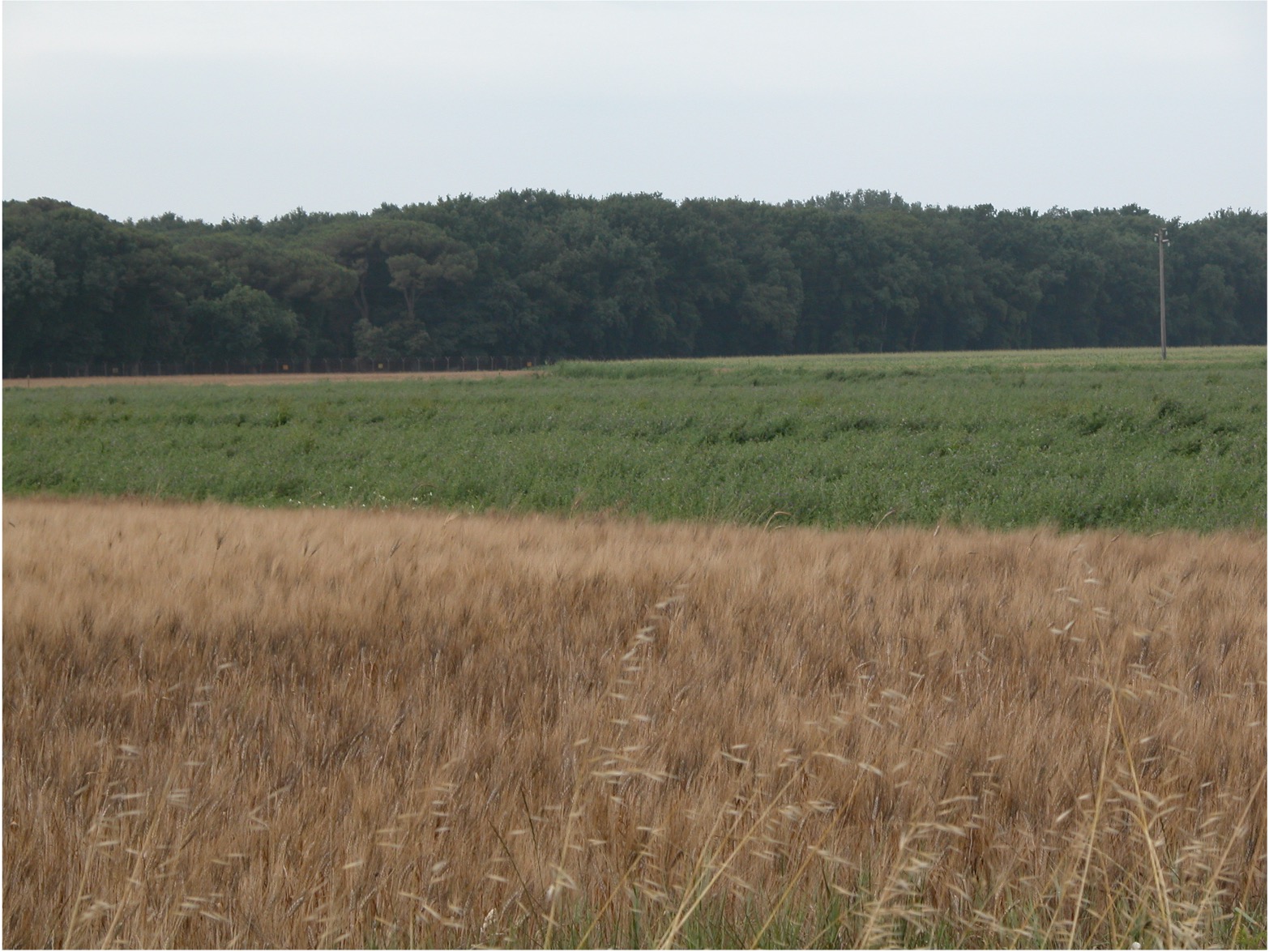
Explanation
This solution is highly effective in controlling grass species. It is adaptable to various soils and climatic zones, allows for intercropping, supports beneficial flowering for entomofauna, and contributes to improved soil structure and fertility.
Advantages
This practice ensures good ground cover and offers medium-term benefits for weed control.
It reduces the need for treatments, cultivation costs, and labor hours, mainly focusing activities on annual mowing, sowing, and burial. These benefits are enhanced by using long-standing crops such as alfalfa, which remain productive for several growing seasons.
The system shows broad adaptability to different soils and climatic conditions, with the added advantage of allowing intercropping systems (e.g., mixtures or relay intercropping).
It increases system biodiversity and promotes beneficial flowering for entomofauna. It also improves soil structure and fertility, with short-term benefits such as greater nitrogen availability for succeeding crops.
Drawbacks
Effectiveness depends on the timing of interventions such as seeding and overall management. Introducing a wider range of species adds complexity, requiring consideration of factors like seed size, adaptability, and soil temperature. Additionally, extending crop rotations introduces market-related risks.
Incorporating perennial legumes into the rotation is most viable when linked to livestock systems that can use or purchase products such as hay. Expanding the rotation may also require targeted investments in specialized equipment and knowledge.
Tillage can be challenging for certain soil types, depending on climate conditions. In some contexts, the number of suitable crops for an extended rotation is limited. Irrigation may also be necessary in certain regions.
Technical Aspects
Technical readiness
Crop rotation, especially with perennial legumes, is a traditional and well-established technique with a high level of scalability. It is widely known and practiced globally.
Ease and efficiency of implementation
Introducing perennial legumes requires the presence of livestock on the farm or nearby, both to supply manure and to create a market for selling products such as hay. This practice would be more easily adopted if livestock farming were more evenly distributed across the country, rather than concentrated in specific areas. Adequate know-how is also necessary. Implementation is affected by factors such as the timing of interventions, the number of species in rotation, and market risks - especially when shifting away from more profitable crops like cereals, oilseed rape, rice, or maize. Investment in specialized equipment is often required, which may not be financially viable due to volatile markets for legume-based products.
Need for training and education
Crop rotations are more effective when combined with a sound understanding of weed biology and identification. In the early stages, changing the crop rotation - especially when introducing perennial legumes - requires technical support, particularly for farmers without prior experience. That said, access to basic information about legume varieties and technical guidance for the burial phase may be sufficient for many users.
Need for investments
Expanding crop rotations typically requires adjustments to the farm’s machinery inventory, such as equipment for hay production (e.g., mower bars, tedders, balers, and haymaking tools).
Policy Recommendations
To encourage adoption, support should be provided for field trials, equipment demonstrations, and technical conferences aimed at validating the effectiveness of diversified rotations. Co-financing the purchase of technologically advanced machinery can also facilitate innovation uptake.
Training programs on forage production and technical skills development should be promoted to support professional growth. Cooperation initiatives can help build a local supply chain by involving farmers, wholesalers, and transporters. Shared equipment use is particularly beneficial for small-scale farms, helping to reduce costs.
In parallel, the creation of a protected market framework would ensure fair valuation of rotation products, and targeted subsidies for minor crops would incentivize their inclusion in rotations despite current economic limitations.