Advantages
This practice increases the cultivable area per unit of time and is effective against certain types of weeds (e.g., dicotyledons), particularly when they are present at the time of cultivation.
The technique can be applied even without specialized equipment, offering benefits such as reduced soil passes and lower operational costs.
When combined with seeding using specific precautions, it can offer additional practical advantages, streamlining field operations.
This method can improve soil structure and increase organic matter over time-typically after 3 to 4 years- contributing to long-term soil health and a reduction in greenhouse gas emissions.
Drawbacks
There is a risk of encouraging the spread of rhizomatous weeds, and the technique is generally ineffective against perennial weed species.
Farmers often perceive risks such as potential crop loss, increased costs, and the need for equipment adaptation, which may deter adoption.
There are challenges in timing the intervention within the narrow window of ideal soil and climate conditions, particularly to avoid soil compaction. This is especially critical for farms growing field vegetables. The method requires precise field moisture levels to be effective.
There is a risk of soil compaction and plow pan formation, along with exposure of topsoil, which can increase erosion, especially on sloped land.
Technical Aspects
Technical readiness
The technique is currently available and well-known at a global scale; however, it cannot be applied in all contexts and requires a high level of technical knowledge. To make the solution more accessible to farmers, understanding the range of available equipment is essential. Training, and in some cases the purchase of appropriate machinery, is necessary to implement these practices effectively. An adaptation phase is also crucial for farmers to build awareness and acquire the necessary skills.
Ease and efficiency of implementation
Implementation depends on pedoclimatic conditions. Heavy soils and high soil moisture, combined with narrow intervention windows, present significant limitations and may lead to soil compaction and plow pan formation. Major concerns include potentially higher costs, reduced productivity, and difficulties adapting equipment to varied conditions—common in Italy due to tough soils, challenging topography, small plot sizes, and limited farm investment capacity.
Need for training and education
Training that includes both theoretical and practical components is essential to overcome cultural and technical barriers. Field demonstrations play a key role. It is also important to assess different techniques across various farm settings, as they may not be suitable for all crops. Farmers typically need several years of adaptation and on-farm trials to fully integrate these practices.
Need for investments
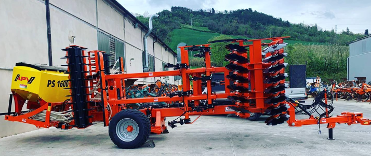
No specific equipment is strictly required, but some machinery adaptations may be necessary. Tools such as strip tillage implements, no-till seeders, or equipment for cover crop termination (e.g., roller crimpers) can significantly improve implementation efficiency.
Policy Recommendations
To promote the widespread adoption of conservation tillage techniques, supportive policy instruments are essential. These should include funding for field demonstrations, the establishment of a network of public consultants, and access to financial subsidies. Encouraging cooperation among farmers -for sharing machinery and exchanging experiences -as well as providing continuous learning opportunities, will also be key to success. Subsidies should specifically support the co-financing of machinery and the purchase of new equipment to lower adoption barriers.