Description
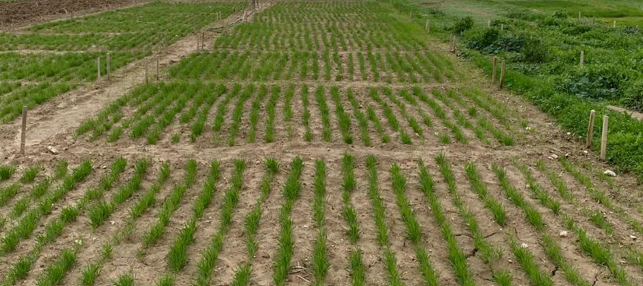
Crop rotation is an agricultural practice involving the systematic alternation of different crops in the same field during the same growing season.
Explanation
Crop rotation was one of the highest ranked solutions for alternative weed control. It is a fundamental approach for more effective weed management and achieving higher yields in cereal crops.
Advantages
Crop rotation improves soil fertility and breaks pest cycles, reducing dependency on chemical inputs and enhancing productivity.
It lowers input costs and offers long-term economic benefits, fostering knowledge-sharing and collaboration among farming communities.
It is adaptable to different farming systems and seasons, with optimal implementation during spring and autumn.
It enhances soil health, reduces the need for synthetic fertilizers and pesticides, and supports biodiversity by diversifying plant ecosystems.
Drawbacks
Transition periods may temporarily reduce yields, and initial implementation can involve trial and error.
Initial investments in seeds, machinery, and pest control tools can be costly, and farmers may face income loss during the adjustment phase.
Requires careful planning and knowledge of crop sequences, posing challenges for farmers with limited expertise or access to training.
Potential mismanagement may disrupt soil structure and fertility, especially if complementary practices are not adequately implemented.
Technical Aspects
- Technical readiness: Crop rotation is a well-established and widely available practice both locally and globally, with varying applicability depending on farm-specific conditions. While it can be implemented in the short term in some contexts, it may require long-term planning in others. Adoption can be encouraged by highlighting long-term benefits, offering financial subsidies, and providing training programs focused on best practices.
- Ease and efficiency of implementation: Crop rotation is generally considered adaptable to farming systems, though knowledge gaps in rural areas can present challenges. These issues can be mitigated through targeted training programs on crop selection, timing, and proper implementation techniques. Economic challenges, knowledge deficiencies, and potential misapplications can be addressed through educational support and financial assistance. Spring and autumn are optimal seasons for implementation, and complementary practices like cover cropping and integrated pest management further improve efficiency.
- Need for training and education: Effective crop rotation requires adequate training and education. Key focus areas include crop sequence selection, pest management, and soil fertility strategies. Practical, hands-on training programs and field demonstrations are recommended to equip farmers with essential skills. New users are advised to start with small-scale trials, carefully plan crop sequences, and incorporate cover crops to enhance soil health and reduce weed pressure.
- Need for investments: Crop rotation involves some initial financial investment in seeds, sowing machinery, irrigation systems, fertilizer spreaders, and pest control tools. The estimated costs range from €3,000 to €7,000, depending on the crop and region. Despite these expenses, the long-term benefits, such as reduced input costs, improved soil health, and enhanced productivity, offer significant returns.
Policy Recommendations
To promote the widespread adoption of crop rotation, various policy instruments are recommended, including subsidies for purchasing equipment and compensating farmers for income losses during the transition period. Educational programs and demonstration activities, funded by the state or the EU, can help increase awareness and knowledge about crop rotation. Encouraging farmer collaboration through research projects and exchanges would further enhance the implementation of the solution, ensuring broader adoption and success.
Social Analysis Color
green
Environmental Analysis Color
green