Description
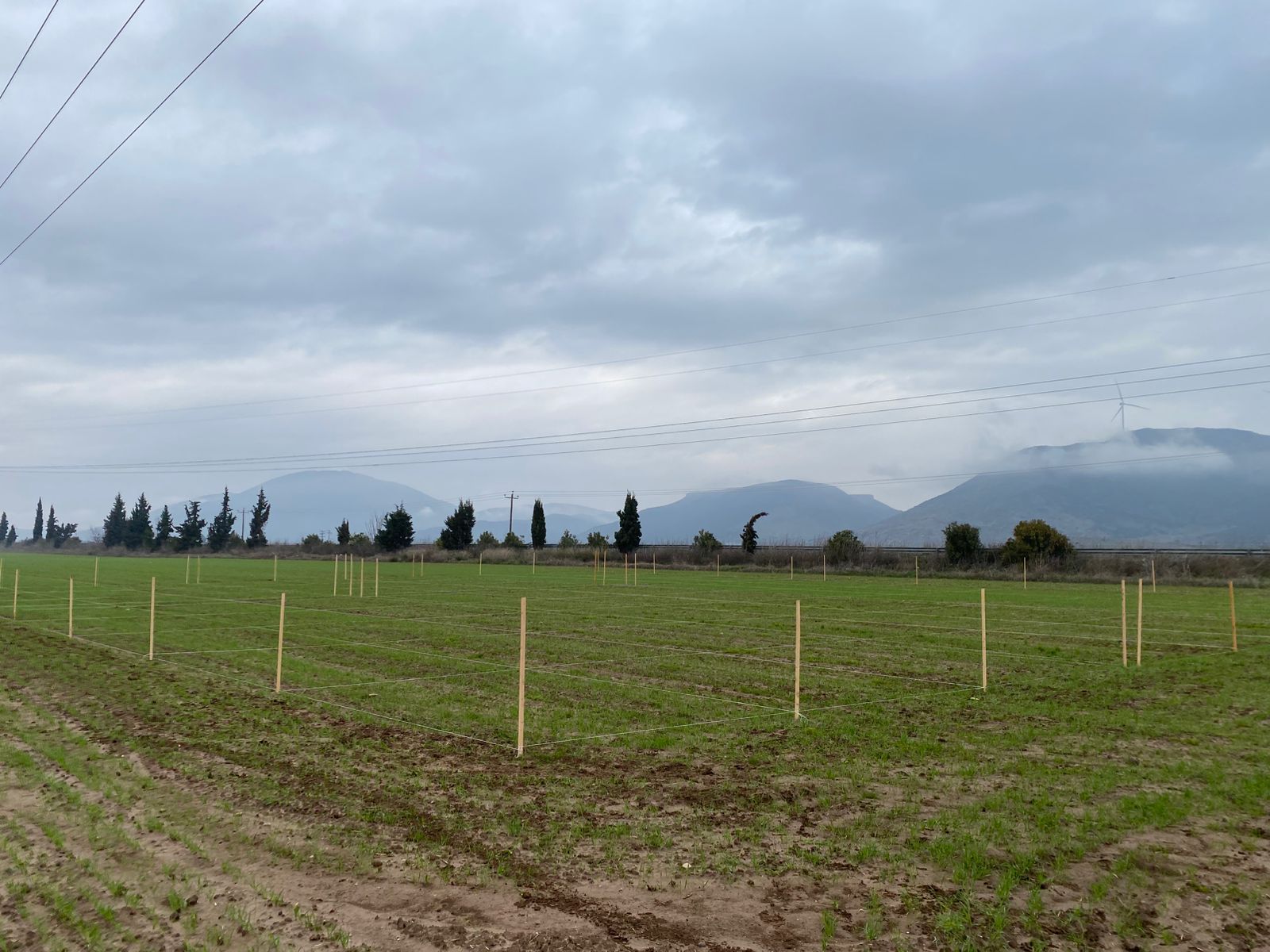
Crop rotation is an agricultural practice involving the systematic alternation of different crops in the same field during the same growing season.
Explanation
Crop rotation was one of the highest ranked solutions for alternative weed control. It is a fundamental approach for more effective weed management and achieving higher yields in cereal crops.
Advantages
It can be easily implemented within farming systems, particularly in areas with moderate rainfall, clay soils, and minimal herbicide use.
Crop rotation promotes community knowledge-sharing and collaboration, as farmers exchange experiences and techniques for managing diverse crops and addressing local challenges together.
Complementary actions like using nitrogen fertilizers, adapting crop varieties, and applying IPM can further enhance the effectiveness of crop rotation.
It improves soil health by reducing reliance on herbicides, promoting biodiversity, and enhancing soil structure.
Drawbacks
Transition costs and income loss during initial phases can reduce short-term efficiency for farmers adopting crop rotation.
The need for investment in tools, machinery, and fertilizers may pose financial challenges, particularly for smaller or less capitalized farms.
Practices like deep tillage and monoculture weed control can be disrupted by crop rotation, complicating the timing of certain operations.
Market volatility may impact the long-term environmental benefits if crop rotation adoption is delayed or inconsistent.
Technical Aspects
- Technical readiness: The solution of crop rotation in cereals is currently available worldwide, with a consensus that it can be applied in the short term, though responses were divided on its immediate implementation. The main solution to enhance its accessibility is highlighting the long-term benefits to farmers. While technical readiness is generally favourable, farmers face challenges such as transition costs, adaptation to different soil and climate conditions, income loss during initial phases, and market volatility. Education and financial support are crucial to overcoming these barriers.
- Ease and efficiency of implementation: Crop rotation can be integrated into farming systems, particularly in regions with moderate rainfall, clay soils, and minimal herbicide use. Effectiveness can be improved by using complementary practices such as nitrogen fertilization, crop variety adaptation, and integrated pest management (IPM). However, disruptions in traditional practices like deep tillage and monoculture weed control, along with operational complexity, may arise.
- Need for training and education: Successful crop rotation implementation benefits from shared knowledge and training on crop selection, timing, and pest management. Practical seminars, workshops, and tools for soil analysis and crop selection can aid farmers. Monitoring soil health, selecting complementary crops, and adopting technology are key for optimizing outcomes.
- Need for investments: Although crop rotation does not require significant investment, certain tools and machinery, including cultivators, seed drills, irrigation systems, and precision farming equipment, are necessary. Initial costs, including cover crop seeds and pest control tools, may exceed €10,000. However, long-term gains such as reduced input costs, improved soil health, and higher yields are expected to compensate for these expenses.
Policy Recommendations
To promote the widespread adoption of crop rotation, various policy instruments are recommended, including subsidies for purchasing equipment and compensating farmers for income losses during the transition period. Educational programs and demonstration activities, funded by the state or the EU, can help increase awareness and knowledge about crop rotation. Encouraging farmer collaboration through research projects and exchanges would further enhance the implementation of the solution, ensuring broader adoption and success.
Social Analysis Color
green
Environmental Analysis Color
green