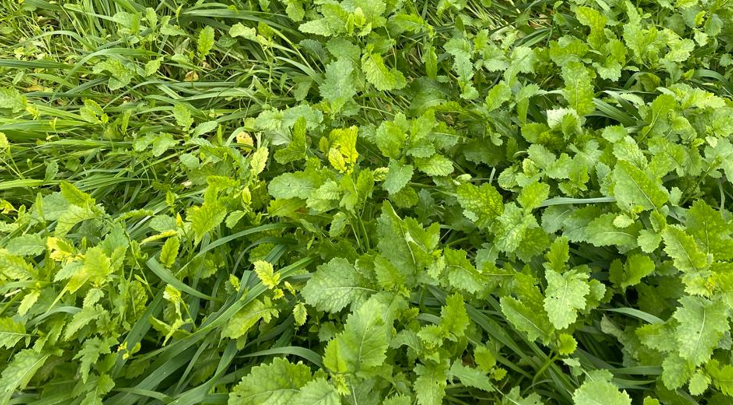
• Technical readiness: Cover crops are widely available in the market, with some regions offering them globally and others focusing on local availability. They are considered applicable in the short term, as many farmers can implement them quickly. To make cover crops more accessible, subsidies, training programs, and partnerships between farmers and research institutions are essential to lower financial barriers and enhance technical knowledge.
• Ease and efficiency of implementation: Cover crops can be easily integrated into farming systems, but practical limitations, such as lack of knowledge, may hinder their widespread use. To overcome these barriers, technical training and weed control tools are vital. Major risks associated with their use include weed management, competition for resources, and increased labour and costs, which can make cover crops difficult for small-scale growers. To reduce these risks, complementary actions like targeted financial incentives, training on local conditions, and integrating cover crops with sustainable practices such as drip irrigation can improve their efficiency and reduce competition with main crops.
• Need for training and education: While some farmers might implement cover crops without training, most require guidance on proper soil preparation, crop species selection, and management techniques. Focused training on weed management, species handling, and the biology of cover crops is crucial. New users should prioritize selecting suitable cover crops, timing their sowing correctly, and monitoring soil conditions to ensure the crops support rather than hinder main crop growth.
• Need for investments: While the adoption of cover crops may not require extensive monetary investment, farmers will need to invest in equipment such as seed drills, roller-crimpers, and mechanical weeders, with costs ranging from €5,000 to €10,000. These investments are necessary to manage cover crops effectively and ensure their successful integration into farming systems.
Description
Cover crops involve the simultaneous cultivation of two or more crops in the same field for a significant period, aiming for the efficient use of natural resources.
Country
IWM Pillar
IWM Tactic
Crop
Explanation
Cover crops involve the simultaneous cultivation of two or more crops in the same field for a significant period, aiming for the efficient use of natural resources.
Advantages
Cover crops improve soil quality, reduce weed pressure, and increase productivity, leading to reduced need for synthetic fertilizers and herbicides over time.
Over time, cover crops lower input costs and improve long-term sustainability, benefiting small-scale farmers by reducing reliance on expensive chemical inputs.
The integration of cover crops into farming systems can be easily managed with proper training and guidance, enhancing soil health and reducing the need for additional interventions.
Cover crops improve water retention, soil structure, and environmental resilience, fostering sustainable farming practices that help mitigate the effects of climate change.
Drawbacks
The initial challenges with weed management, competition for resources, and increased labor can reduce the immediate efficiency of cover crops in certain systems.
The need for equipment investments and technical training can present a financial barrier for smaller-scale or resource-limited farmers.
Managing cover crops effectively requires additional equipment, such as seed drills and mechanical weeders, which can be costly for farmers without access to shared resources.
Improper implementation or lack of local adaptation could lead to negative impacts, such as reduced competition with main crops or overuse of water resources.
Technical Aspects
Policy Recommendations
To promote the widespread adoption of cover crops, policy instruments such as subsidies, demonstration activities, and training programs are necessary. Financial support can help offset the initial costs of equipment and machinery, while demonstration projects and farmer networking can foster knowledge exchange. Such policies should focus on educating farmers about optimal practices and offering incentives to reduce entry barriers for smaller operations.
CBA Availability
false
Environmental Analysis Color
green
Cover Image